
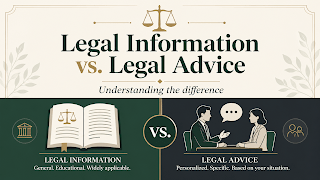
Legal professionals are bound by specific professional standards. One of these is that legal advice can only be provided in very specific circumstances. Because of this, it’s critical that law firm blogs and websites provide legal information without venturing into offering legal advice. The distinction between these two concepts may seem blurry, but it’s not.
Understanding the difference between informing and advising is critical for anyone who provides online content to law firms.
Providing legal information
Providing legal information means explaining how the law works in a general manner. It can tell someone what the eviction process includes or what rights they have under the state’s wage and hour laws. It applies to a broad category of situations instead of applying to one very specific case.
Law firms that provide legal information on their websites can close information gaps that lead to access to justice issues that often plague impoverished communities. When provided correctly, legal information can help people recognize that they have a legal matter with options to address it.
Offering legal advice
Offering legal advice means telling a person what to do based on a specific set of facts. It requires jurisdictional knowledge, professional judgment, and accountability for the outcome if the advice is followed. Only licensed attorneys can provide legal advice. This means they can tell a person whether their lease allows them to break it without penalty for a specific reason.
Reasons for blurred lines
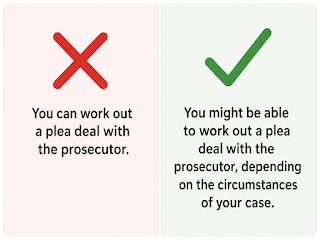
Digital legal content often blurs this line, particularly if the writer isn’t careful about how they word information. General information can feel inadequate when someone is trying to find out about their specific case, and search engines reward content that answers specific questions.
Law firm websites have to abide by professional standards, so they can’t tell readers exactly what to do in a nuanced situation or even whether the reader has a winnable claim unless they have an established professional relationship. With this in mind, the wording on legal websites matters. Speaking in absolutes should be limited.
Keeping the line clear
Law firms have to find the balance between providing content that’s valuable and avoiding content that gives advice. One mistake is providing legal content that’s so cautious and hedged that it’s completely useless. Vague content doesn’t help the reader. Instead, it protects the firm and leaves word soup on the website. Honestly, this is the reason many law firm websites read more like riddles than valuable sources of information.

Leave a comment